
InfraBuild
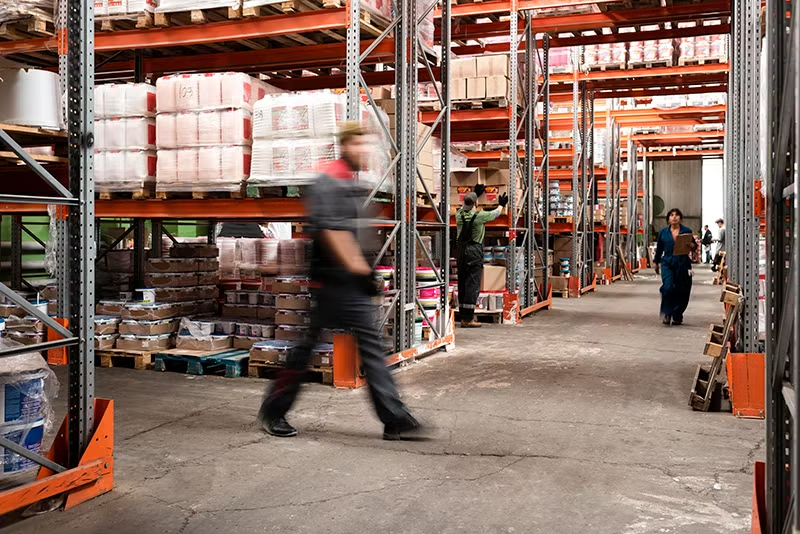
InfraBuild in Australia has implemented GS1 DataMatrix and RFID tags on their bundles of steel to improve transparency and efficiency in their own operation and for their customers via EPCIS.
WatchBuilding on solid foundations – to enable greater productivity, sustainability and efficiency.
Across the world, there is a focus on the digital transformation of the construction sector. There is a refreshed drive for digital innovation and productivity, driven by the need to meet environmental sustainability targets and commitments to the circular economy. GS1 standards and solutions can power this digitalisation need, keeping industry informed and consumers protected with data they can trust.
It is well known that the building and construction sector is one of the least digitised industries worldwide, and digitisation is seen as a means of lifting both productivity and performance.
Change is needed due to low margins, poor interoperability and no standardisation. The key to introducing digital supply chains in the global construction sector lies in the implementation of technology based on global standards.
GS1's global identification and data sharing standards enable streamlined information sharing, resulting in more efficient processes throughout the sector. Benefits include more accurate product comparisons and substitutions, enhanced supply chain, consenting and sustainability processes, and improved traceability and safety outcomes.
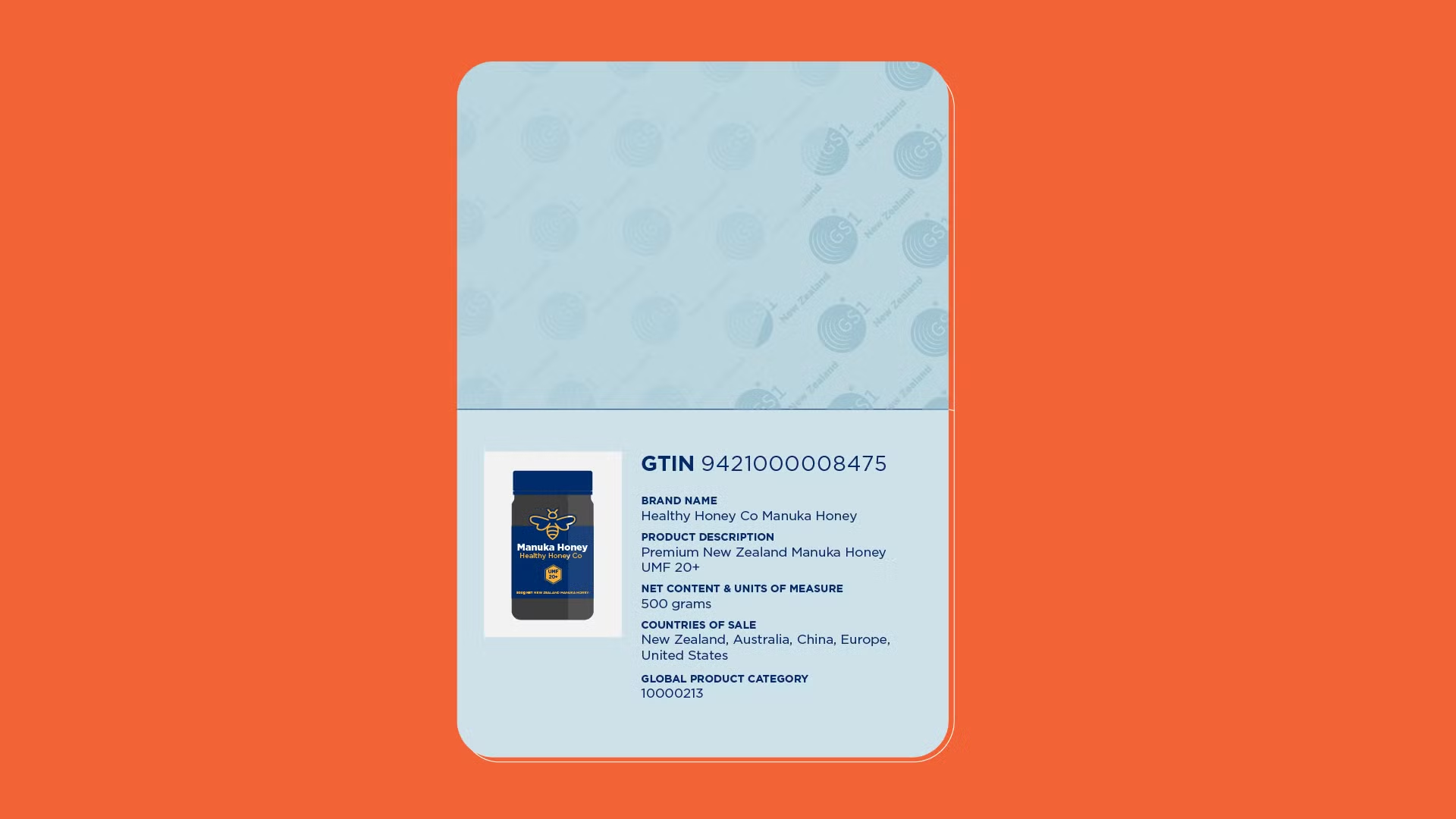
A Digital Product Passport (DPP) is a digital record that contains detailed information about a product's materials, components, repairability, recyclability, environmental impact, and more — making it an important tool in a circular economy.
Digital product passports are included in a new EU framework legislation – the Ecodesign Sustainable Products Regulation (ESPR). The law was passed in April 2024 and the rules will be rolled out gradually until around 2030. Companies exporting to, or producing in Europe will, in future, be mandated to have a DPP for their products.
The Global Trade Item Number (GTIN) is a global supply chain solution that enables identification of any trade item that may be priced, ordered or invoiced at any point in the supply chain where there is a need to retrieve predefined information about the product.
The GTIN Management Guideline for Construction Products provides construction-specific examples of the GTIN Management Standard.
GS1 New Zealand works with industry merchants, suppliers and key industry bodies such as the Building Industry Federation to support their industry specific needs.
We work closely with the Building Research Association of New Zealand (BRANZ), and national and international communities of organisations to deliver leading sector-based research. GS1 NZ's BRANZ commissioned research is funded by the Building Research Levy.
See how organisations are using GS1 standards to increase productivity and digitise the supply chain.
InfraBuild in Australia has implemented GS1 DataMatrix and RFID tags on their bundles of steel to improve transparency and efficiency in their own operation and for their customers via EPCIS.
Watch
Nominated for Digital Collaboration of the Year in the UK Digital Construction Awards 2025, this project showcases how GS1 standards are transforming the built environment.
Read more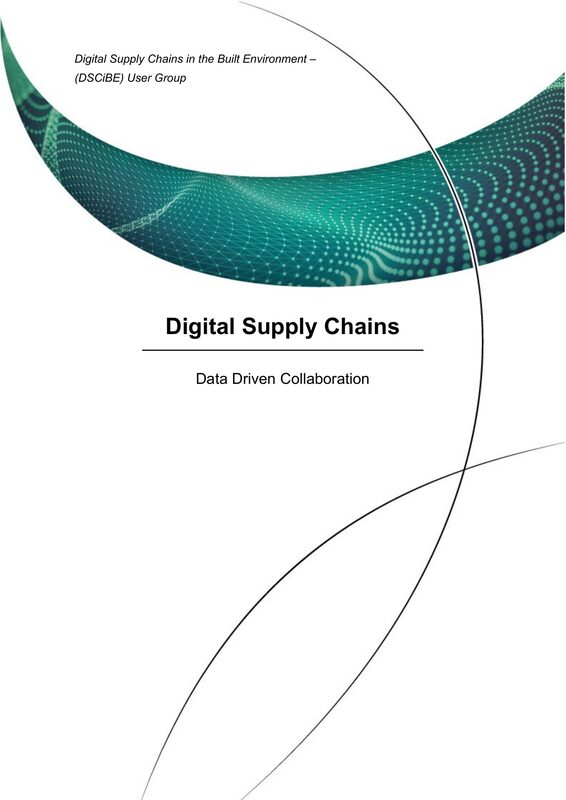
The collaboration group DSCiBE explores how global standards can enable a digital flow within the supply chain for construction projects.
Read the reportNews and updates from the building, construction and hardware sectors.
Discover how GS1 standards can drive digital transformation in your construction business.