Product packaging data sharing
GS1 New Zealand completed a feasibility study on plastic packaging data sharing in the retail sector. The study looked at how packaging data is shared currently – from distributor to brand owner, through to re-use, recycling or end of life - and how existing systems could be enhanced using GS1 standards.
Read the full report
Download the Digital Product Passport Feasibility Study Report to explore the findings of our feasibility study on plastic packaging data sharing.
Download report (PDF)How QR Codes powered by GS1 can help
QR Codes powered by GS1 are being rolled out globally for product traceability and for retail point-of-sale systems. They can seamlessly direct users to online product pages with a simple smartphone scan to see product & packaging information like:
- Product specifications
- Packaging content (eg, resin type, recycled content)
- Certifications and claims
- Recycling, repair and recall information
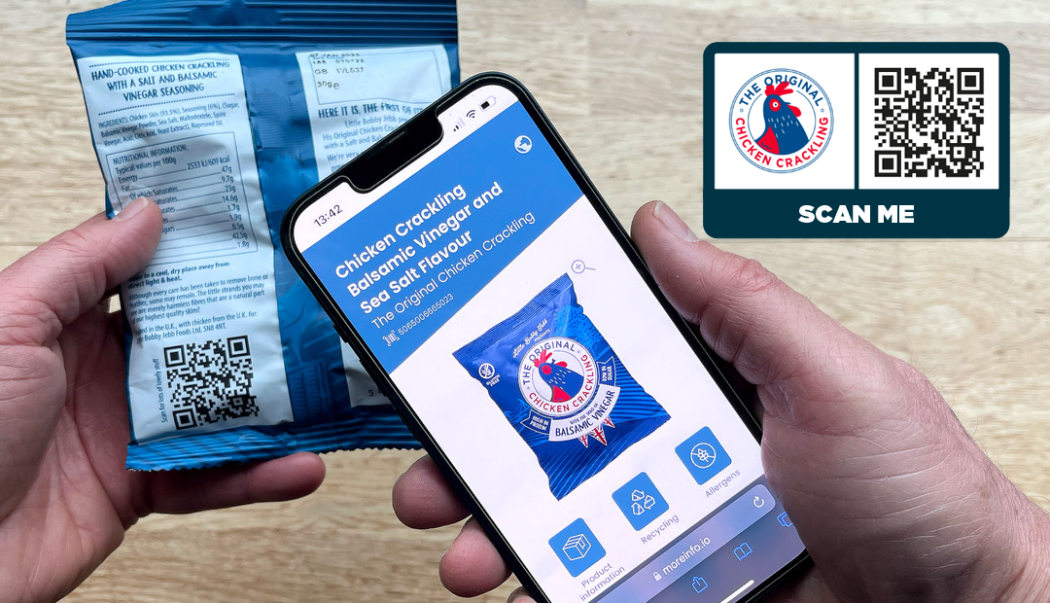
Powering more sustainable supply chains with GS1 standards
The aims of the study
How can we leverage new dynamic QR codes plus existing data aggregation and synchronization networks to enable efficient sharing of enriched packaging information?
Focus sectors:
- Food and grocery sector
- Building and hardware sector
- Agribusiness sector
The report:
- Define the core dataset of key data attributes
- Collect a data sample – 2000 plastic packages
- Monitor international developments
- Evaluate the use of GS1 open data standards for identifying, capturing and sharing relevant data
Interested in our study?
Please fill out the form if you're interested in viewing or discussing the data collected for the study, or how GS1 can help share product data.
Steering group representatives





Talk to GS1 about packaging data
Discover how GS1 standards can improve packaging data sharing across your supply chain.